I often find myself wondering about the link between satisfaction and overconsumption. If humanity were truly content, would we still be so obsessed with having more—spending more, eating more, upgrading more? Probably not.
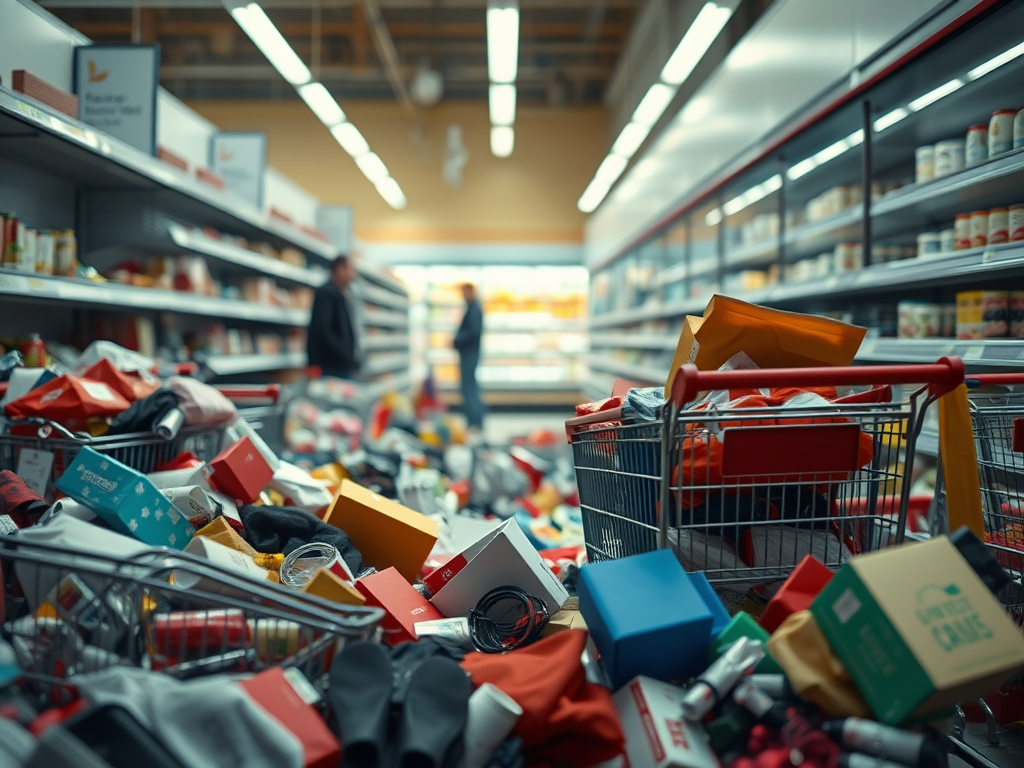
We live in an age where replacing a perfectly good phone is considered normal, where running out of cloud storage feels like a minor crisis. During the pandemic, we saw how fragile our sense of “enough” really was—empty supermarket shelves revealed how fear alone can trigger a rush to hoard. That panic buying wasn’t just about survival; it was a window into how deeply overconsumption is wired into our behaviour.
From fast fashion and frequent flying to the frenzied countdowns of Black Friday sales, our appetite for more has become one of the biggest drivers of the ecological crisis. We’re told to live “in moderation” for our health—but rarely for the planet.
We’re Fighting the Wrong Battle
The truth is, we’re tackling the wrong problem. Climate change isn’t the disease—it’s a symptom. The real illness is overconsumption. Addressing emissions without changing how and what we consume is like a doctor treating a fever without finding the infection that caused it.
Language matters here. As Oxford English Dictionary science editor Trish Stewart notes, the way we talk about climate change affects how we act on it. The term “climate change” feels distant and abstract—something happening out there, to someone else, sometime in the future.
Psychologists Nira Liberman and Yaacov Trope’s Construal Level Theory helps explain this: people respond more strongly to issues that feel psychologically close. When we see footage of floods or wildfires, we feel sympathy—but unless we’re directly affected, our concern fades.
“Overconsumption,” on the other hand, is immediate. It’s happening now, in our own homes, shopping baskets, and wardrobes. If we reframed the climate crisis as an overconsumption crisis, it would feel more personal—and more urgent.
Who’s Really to Blame?
Of course, this raises an uncomfortable question: who is responsible? It’s tempting to blame the producers—those who flood our screens with adverts, lure us with discounts, and design products that fail just after the warranty expires. Yet consumers play an equal part. Every “add to basket” fuels the cycle.
It’s the classic chicken-and-egg dilemma: producers create irresistible products because we keep buying them; we keep buying them because they’re designed to be irresistible.
The scale of the problem is staggering. The UK Parliament predicts global apparel consumption will soar by 63% by 2030—from 62 million tonnes today to 102 million. Research from the Norwegian University of Science and Technology shows that 60–80% of the planet’s environmental impact comes from household consumption. In other words, our homes are driving the crisis.
Imagining a Lower-Consumption Society
What might a less consumerist world look like? Change begins with behaviour—but it won’t succeed without government intervention. Policies could include banning products designed to fail, labelling goods with “durability ratings,” and offering tax breaks for repair over replacement.
We could also take cues from abroad. France has already banned plastic packaging for fruit and vegetables, and Spain is following suit. In the UK, such action is long overdue. According to Friends of the Earth, 59% of Britons believe supermarkets and brands aren’t doing enough to cut plastic waste. Imagine if we matched our frustration with real reform.
Once producers shift their ethos, consumers will follow—but that means rethinking our obsession with endless economic growth. What if success wasn’t measured by GDP, but by wellbeing and sustainability? New Zealand’s Wellbeing Budget offers a glimpse of this future, prioritising social and environmental outcomes over pure economic gain.
Rethinking “More”
Consumerism is, to some extent, part of human nature. But it’s not immutable. We can rewire it—by finding joy in less, questioning the lure of convenience, and redefining what progress means. The wealthiest nations and youngest generations, in particular, have a chance to lead this shift.
Because when you view the climate crisis through the lens of overconsumption, the problem becomes tangible. It’s not about invisible carbon molecules—it’s about the choices in our hands, every single day.
If we truly want to heal the planet, we must first curb our hunger for “more.” It’s not an easy truth—but it’s the only one that matters.


Leave a comment